The Ethical Implications of Deepfake Technology in the Context of Seattle Refugees
Category : | Sub Category : Posted on 2024-11-05 22:25:23
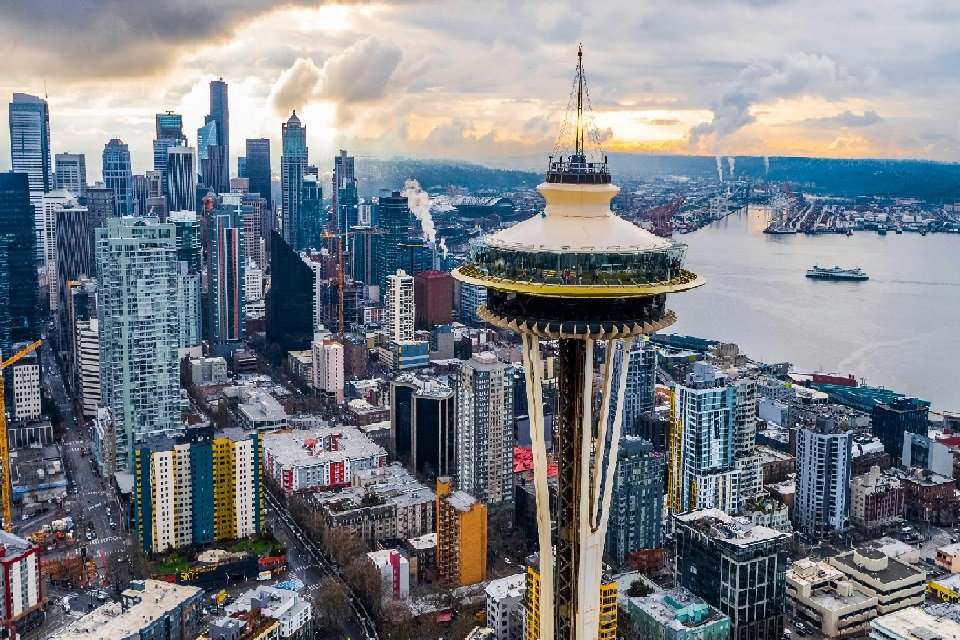
In recent years, deepfake technology has garnered significant attention for its ability to manipulate audio and video content to create highly realistic but fabricated media. While this technology has been used for entertainment purposes and in some cases, to create political satire, its potential implications for vulnerable populations, such as refugees in Seattle, raise significant ethical concerns. Seattle is home to a diverse population, including a sizable refugee community that has sought safety and refuge in the city. These individuals have already faced numerous challenges, including displacement, trauma, and cultural adjustment. The emergence of deepfake technology poses an additional threat to their well-being and security. One of the primary concerns surrounding deepfake technology in the context of Seattle refugees is the potential for misinformation and manipulation. Deepfake videos could be created to spread false information about refugees, portraying them in a negative light or inciting fear and hatred towards them. This could further marginalize an already vulnerable population and perpetuate harmful stereotypes and discrimination. Moreover, the use of deepfake technology to manipulate images and videos of refugees could also have serious implications for their safety and privacy. By creating realistic but fabricated content, malicious actors could potentially put refugees at risk or compromise their personal information. Another ethical concern related to deepfake technology and Seattle refugees is the impact on trust and credibility. As deepfake technology advances and becomes more sophisticated, it may become increasingly difficult to discern real content from manipulated content. This could erode trust in media, institutions, and even personal relationships, further isolating refugees and undermining their sense of security and belonging. In light of these ethical considerations, it is crucial for policymakers, technology developers, and community leaders in Seattle to address the potential risks posed by deepfake technology. Steps should be taken to raise awareness about deepfake technology and its implications, educate the public on how to identify and combat misinformation, and establish safeguards to protect vulnerable populations, including refugees. Ultimately, the ethical implications of deepfake technology in the context of Seattle refugees highlight the need for a thoughtful and proactive approach to regulating and addressing this emerging technology. By staying informed, promoting digital literacy, and advocating for the rights and well-being of refugees, we can work towards creating a safer and more inclusive community for all residents of Seattle.
https://tosanfrancisco.com
https://toseattle.com
https://todetroit.com
Leave a Comment:
SEARCH
Recent News
- Exploring Zurich: A Taste of Latin America in Switzerland
- Zurich, Switzerland is a vibrant city known for its stunning architecture, picturesque landscapes, and diverse culinary scene. While Swiss cuisine certainly holds a special place in the hearts of many locals and visitors, the city also boasts a variety of international dining options, including Latin American food.
- Zurich, Switzerland is a vibrant city known for its picturesque surroundings, high quality of life, and thriving multicultural community. Among the various expatriate communities that call Zurich home, the Latin American community stands out for its rich culture, lively traditions, and strong sense of community bonding.
- Traveling through Latin America is an exciting and enriching experience that many people dream of. With its diverse landscapes, rich cultures, and warm hospitality, Latin America offers endless possibilities for exploration and adventure. And what better way to share these experiences with the world than through YouTube content creation and translation?
- Latin American Cuisine: A YouTube Content Creation and Translation Guide
- YouTube Content Creation and Translation for the Latin American Community
- Latin America is a diverse and vibrant region filled with rich culture, beautiful landscapes, and fascinating history. If you have a passion for travel and want to explore the wonders of Latin America from the comfort of your own home, then you should check out the YouTube channel "Latin American Travel." This channel is a treasure trove of videos that showcase the best that Latin America has to offer.
- Latin American cuisine is known for its bold flavors, vibrant colors, and rich culinary traditions. From spicy Mexican dishes to savory Colombian empanadas, the diverse cuisines of Latin America are a true reflection of the region's cultural heritage. If you're a food lover looking to explore the world of Latin American food, there are plenty of YouTube channels dedicated to showcasing the best recipes and cooking techniques from this vibrant culinary landscape.
READ MORE
9 months ago Category :

Exploring Zurich: A Taste of Latin America in Switzerland
Read More →9 months ago Category :

Zurich, Switzerland is a vibrant city known for its stunning architecture, picturesque landscapes, and diverse culinary scene. While Swiss cuisine certainly holds a special place in the hearts of many locals and visitors, the city also boasts a variety of international dining options, including Latin American food.
Read More →9 months ago Category :

Zurich, Switzerland is a vibrant city known for its picturesque surroundings, high quality of life, and thriving multicultural community. Among the various expatriate communities that call Zurich home, the Latin American community stands out for its rich culture, lively traditions, and strong sense of community bonding.
Read More →9 months ago Category :
