Deepfake Technology: A Growing Concern in the Real Estate Industry
Category : | Sub Category : Posted on 2024-11-05 22:25:23
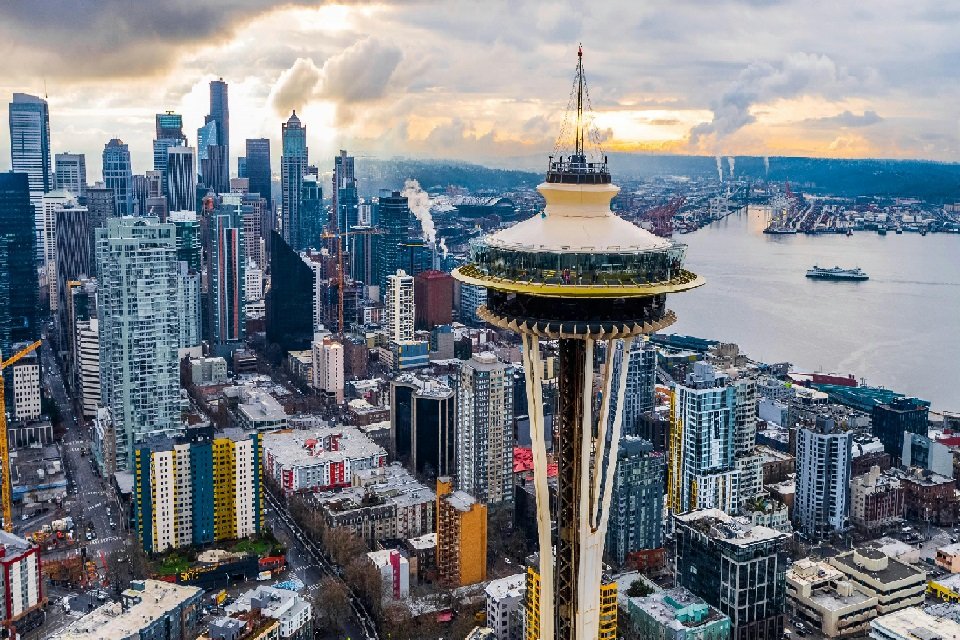
Deepfake technology has emerged as a prominent issue in various industries, including real estate. This advanced technology, which uses artificial intelligence to create highly realistic fake images and videos, has the potential to disrupt the real estate market in significant ways. One of the key concerns is the use of deepfake technology to create misleading or false representations of properties, particularly in desirable locations such as Seattle and Singapore. In the real estate industry, property visuals play a crucial role in attracting potential buyers or tenants. Photos and videos are often used to showcase the features and amenities of a property, enticing individuals to make informed decisions about their investments. However, with the rise of deepfake technology, there is a growing concern that malicious actors could exploit this technology to create convincing but entirely fake property listings. Imagine a scenario where a deepfake video depicts a luxurious waterfront property in Seattle, complete with stunning views of the city skyline. Prospective buyers might be lured by the false representation, only to discover that the property does not live up to the expectations set by the deepfake video. Similarly, in Singapore, a deepfake image could make a modest apartment look like a high-end luxury condominium, leading to potential buyers being deceived. The implications of deepfake technology in the real estate industry are profound. Not only does it have the potential to mislead consumers, but it can also damage the credibility of real estate professionals and platforms. As deepfake technology becomes more sophisticated and accessible, the risk of fraudulent property listings increases, posing a significant challenge for both buyers and sellers. To combat the threat of deepfake technology in the real estate industry, stakeholders must take proactive measures to verify the authenticity of property listings. Utilizing blockchain technology to ensure the integrity of property data, implementing stringent verification processes for listings, and educating consumers about the risks of deepfakes are some strategies that can help mitigate the impact of this technology. In conclusion, deepfake technology poses a serious threat to the real estate industry, particularly in cities like Seattle and Singapore where property values are high and demand is strong. By raising awareness about the risks associated with deepfakes and implementing robust safeguards, the industry can work towards protecting consumers and maintaining trust in the property market.
https://tosanfrancisco.com
https://toseattle.com
https://todetroit.com
Leave a Comment:
SEARCH
Recent News
- Exploring Zurich: A Taste of Latin America in Switzerland
- Zurich, Switzerland is a vibrant city known for its stunning architecture, picturesque landscapes, and diverse culinary scene. While Swiss cuisine certainly holds a special place in the hearts of many locals and visitors, the city also boasts a variety of international dining options, including Latin American food.
- Zurich, Switzerland is a vibrant city known for its picturesque surroundings, high quality of life, and thriving multicultural community. Among the various expatriate communities that call Zurich home, the Latin American community stands out for its rich culture, lively traditions, and strong sense of community bonding.
- Traveling through Latin America is an exciting and enriching experience that many people dream of. With its diverse landscapes, rich cultures, and warm hospitality, Latin America offers endless possibilities for exploration and adventure. And what better way to share these experiences with the world than through YouTube content creation and translation?
- Latin American Cuisine: A YouTube Content Creation and Translation Guide
- YouTube Content Creation and Translation for the Latin American Community
- Latin America is a diverse and vibrant region filled with rich culture, beautiful landscapes, and fascinating history. If you have a passion for travel and want to explore the wonders of Latin America from the comfort of your own home, then you should check out the YouTube channel "Latin American Travel." This channel is a treasure trove of videos that showcase the best that Latin America has to offer.
- Latin American cuisine is known for its bold flavors, vibrant colors, and rich culinary traditions. From spicy Mexican dishes to savory Colombian empanadas, the diverse cuisines of Latin America are a true reflection of the region's cultural heritage. If you're a food lover looking to explore the world of Latin American food, there are plenty of YouTube channels dedicated to showcasing the best recipes and cooking techniques from this vibrant culinary landscape.
READ MORE
9 months ago Category :

Exploring Zurich: A Taste of Latin America in Switzerland
Read More →9 months ago Category :

Zurich, Switzerland is a vibrant city known for its stunning architecture, picturesque landscapes, and diverse culinary scene. While Swiss cuisine certainly holds a special place in the hearts of many locals and visitors, the city also boasts a variety of international dining options, including Latin American food.
Read More →9 months ago Category :

Zurich, Switzerland is a vibrant city known for its picturesque surroundings, high quality of life, and thriving multicultural community. Among the various expatriate communities that call Zurich home, the Latin American community stands out for its rich culture, lively traditions, and strong sense of community bonding.
Read More →9 months ago Category :
