San Francisco, known for its iconic Golden Gate Bridge, cable cars, and diverse neighborhoods, is also experiencing the impacts of global warming. The city by the bay is facing a range of challenges as a result of climate change, from rising sea levels to more frequent heatwaves and wildfires.
Category : | Sub Category : Posted on 2025-11-03 22:25:23
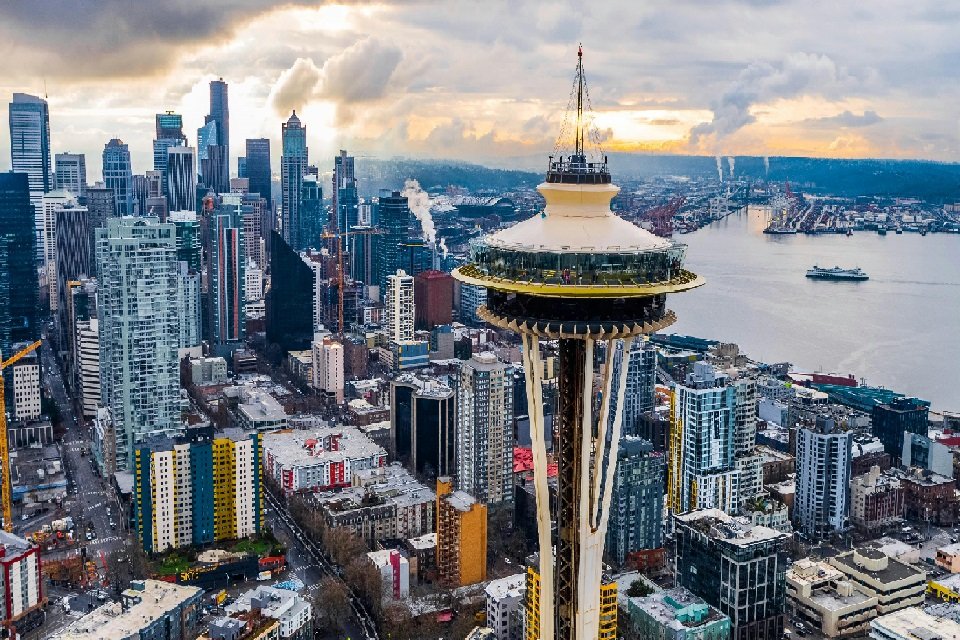
One of the most visible effects of global warming in San Francisco is the rising sea levels along its coastline. As the Earth's temperature continues to rise, glaciers and ice caps are melting, causing the oceans to expand. This, in turn, leads to higher sea levels, which can have devastating consequences for coastal cities like San Francisco. Low-lying areas, such as the Embarcadero and parts of the Mission District, are particularly at risk of flooding as sea levels continue to rise. In addition to sea-level rise, San Francisco is also experiencing more frequent and intense heatwaves due to global warming. Hotter temperatures not only make life uncomfortable for residents but also pose health risks, especially for vulnerable populations such as the elderly and those with pre-existing health conditions. Heatwaves can also put a strain on the city's infrastructure, leading to power outages and increased demand for energy to cool buildings. Furthermore, global warming is contributing to an increased risk of wildfires in and around San Francisco. Drier conditions, combined with higher temperatures, create the perfect environment for wildfires to ignite and spread quickly. In recent years, the Bay Area has experienced devastating wildfires, such as the 2018 Camp Fire and the 2020 CZU Lightning Complex fire, which have destroyed homes, displaced residents, and caused poor air quality throughout the region. To address the impacts of global warming in San Francisco, city officials and residents are taking action to reduce greenhouse gas emissions and adapt to a changing climate. Initiatives such as the city's Climate Action Plan aim to transition to renewable energy sources, improve energy efficiency, and increase resilience to extreme weather events. Residents are also encouraged to take individual actions, such as reducing their carbon footprint, conserving water, and preparing for emergencies. While global warming presents significant challenges for San Francisco, the city is committed to mitigating its effects and building a more sustainable and resilient future. By working together to reduce greenhouse gas emissions and prepare for the impacts of climate change, San Franciscans can help protect their city and preserve its beauty and livability for future generations. For a fresh perspective, give the following a read https://www.tosanfrancisco.com Have a look at https://www.todetroit.com for more https://www.abandonar.org For a different take on this issue, see https://www.culturelle.org To delve deeper into this subject, consider these articles: https://www.departements.org also for More in https://www.regionales.net
Leave a Comment:
SEARCH
Recent News
- Exploring Zurich: A Taste of Latin America in Switzerland
- Zurich, Switzerland is a vibrant city known for its stunning architecture, picturesque landscapes, and diverse culinary scene. While Swiss cuisine certainly holds a special place in the hearts of many locals and visitors, the city also boasts a variety of international dining options, including Latin American food.
- Zurich, Switzerland is a vibrant city known for its picturesque surroundings, high quality of life, and thriving multicultural community. Among the various expatriate communities that call Zurich home, the Latin American community stands out for its rich culture, lively traditions, and strong sense of community bonding.
- Traveling through Latin America is an exciting and enriching experience that many people dream of. With its diverse landscapes, rich cultures, and warm hospitality, Latin America offers endless possibilities for exploration and adventure. And what better way to share these experiences with the world than through YouTube content creation and translation?
- Latin American Cuisine: A YouTube Content Creation and Translation Guide
- YouTube Content Creation and Translation for the Latin American Community
- Latin America is a diverse and vibrant region filled with rich culture, beautiful landscapes, and fascinating history. If you have a passion for travel and want to explore the wonders of Latin America from the comfort of your own home, then you should check out the YouTube channel "Latin American Travel." This channel is a treasure trove of videos that showcase the best that Latin America has to offer.
- Latin American cuisine is known for its bold flavors, vibrant colors, and rich culinary traditions. From spicy Mexican dishes to savory Colombian empanadas, the diverse cuisines of Latin America are a true reflection of the region's cultural heritage. If you're a food lover looking to explore the world of Latin American food, there are plenty of YouTube channels dedicated to showcasing the best recipes and cooking techniques from this vibrant culinary landscape.
READ MORE
10 months ago Category :

Exploring Zurich: A Taste of Latin America in Switzerland
Read More →10 months ago Category :

Zurich, Switzerland is a vibrant city known for its stunning architecture, picturesque landscapes, and diverse culinary scene. While Swiss cuisine certainly holds a special place in the hearts of many locals and visitors, the city also boasts a variety of international dining options, including Latin American food.
Read More →10 months ago Category :

Zurich, Switzerland is a vibrant city known for its picturesque surroundings, high quality of life, and thriving multicultural community. Among the various expatriate communities that call Zurich home, the Latin American community stands out for its rich culture, lively traditions, and strong sense of community bonding.
Read More →10 months ago Category :
