Seattle is a city known for its vibrant culture, stunning natural landscapes, and thriving economy. However, like any other city, Seattle also has its share of abandoned places that tell a story of economic fluctuation and change over time. In this blog post, we will explore the concept of abandoned places in Seattle through the lens of economic welfare theory.
Category : | Sub Category : Posted on 2024-11-05 22:25:23
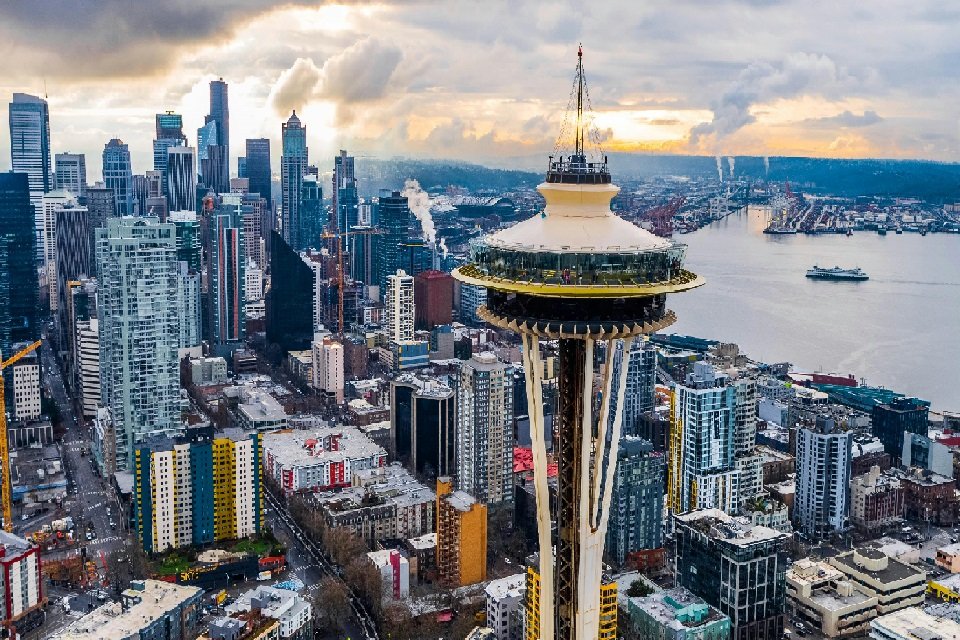
Economic welfare theory is a framework that seeks to understand how individuals, businesses, and society as a whole can achieve optimal levels of well-being and prosperity. It considers factors such as income distribution, resource allocation, and social welfare policies to evaluate the overall economic welfare of a community. When we apply economic welfare theory to abandoned places in Seattle, we can see a complex interplay of economic, social, and environmental factors at play. Abandoned places, whether they are former industrial sites, residential buildings, or commercial properties, often reflect economic challenges such as deindustrialization, urban decay, or shifts in consumer preferences. One example of an abandoned place in Seattle is the historic Georgetown Steam Plant. Built in the early 1900s to supply electricity to the city's streetcar system, the plant operated for over 75 years before being decommissioned in the 1970s. Today, the Georgetown Steam Plant stands as a symbol of Seattle's industrial past and the economic transformations that have reshaped the city over the years. From an economic welfare perspective, abandoned places like the Georgetown Steam Plant raise important questions about how society values historic preservation, urban revitalization, and sustainable development. Should these places be restored and repurposed to create new economic opportunities and enhance community well-being? Or should they be left in their abandoned state as a reminder of the economic forces that have shaped the city? Ultimately, the fate of abandoned places in Seattle depends on a variety of factors, including public policy, private investment, community engagement, and individual preferences. By applying economic welfare theory to the study of abandoned places, we can gain a deeper understanding of the complex relationships between economic activity, social welfare, and urban development in Seattle and beyond. In conclusion, abandoned places in Seattle offer a fascinating window into the city's economic history and present-day challenges. By examining these places through the lens of economic welfare theory, we can better appreciate the dynamics of change and resilience that define Seattle's urban landscape. Whether these places are seen as blights or opportunities, they invite us to reflect on the ways in which economic forces shape our communities and our collective well-being.
https://tosanfrancisco.com
https://toseattle.com
https://todetroit.com
Leave a Comment:
SEARCH
Recent News
- Exploring Zurich: A Taste of Latin America in Switzerland
- Zurich, Switzerland is a vibrant city known for its stunning architecture, picturesque landscapes, and diverse culinary scene. While Swiss cuisine certainly holds a special place in the hearts of many locals and visitors, the city also boasts a variety of international dining options, including Latin American food.
- Zurich, Switzerland is a vibrant city known for its picturesque surroundings, high quality of life, and thriving multicultural community. Among the various expatriate communities that call Zurich home, the Latin American community stands out for its rich culture, lively traditions, and strong sense of community bonding.
- Traveling through Latin America is an exciting and enriching experience that many people dream of. With its diverse landscapes, rich cultures, and warm hospitality, Latin America offers endless possibilities for exploration and adventure. And what better way to share these experiences with the world than through YouTube content creation and translation?
- Latin American Cuisine: A YouTube Content Creation and Translation Guide
- YouTube Content Creation and Translation for the Latin American Community
- Latin America is a diverse and vibrant region filled with rich culture, beautiful landscapes, and fascinating history. If you have a passion for travel and want to explore the wonders of Latin America from the comfort of your own home, then you should check out the YouTube channel "Latin American Travel." This channel is a treasure trove of videos that showcase the best that Latin America has to offer.
- Latin American cuisine is known for its bold flavors, vibrant colors, and rich culinary traditions. From spicy Mexican dishes to savory Colombian empanadas, the diverse cuisines of Latin America are a true reflection of the region's cultural heritage. If you're a food lover looking to explore the world of Latin American food, there are plenty of YouTube channels dedicated to showcasing the best recipes and cooking techniques from this vibrant culinary landscape.
READ MORE
9 months ago Category :

Exploring Zurich: A Taste of Latin America in Switzerland
Read More →9 months ago Category :

Zurich, Switzerland is a vibrant city known for its stunning architecture, picturesque landscapes, and diverse culinary scene. While Swiss cuisine certainly holds a special place in the hearts of many locals and visitors, the city also boasts a variety of international dining options, including Latin American food.
Read More →9 months ago Category :

Zurich, Switzerland is a vibrant city known for its picturesque surroundings, high quality of life, and thriving multicultural community. Among the various expatriate communities that call Zurich home, the Latin American community stands out for its rich culture, lively traditions, and strong sense of community bonding.
Read More →9 months ago Category :
