Exploring Seattle's Abandoned Places: A Potential Hub for Farming Technology
Category : | Sub Category : Posted on 2024-11-05 22:25:23
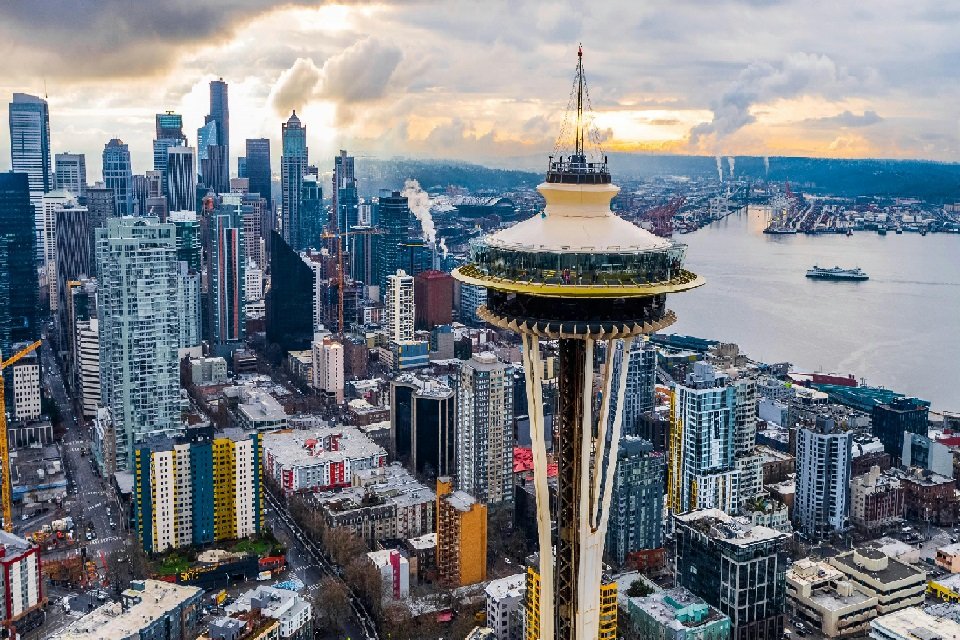
Seattle, known for its stunning skyline, vibrant tech scene, and picturesque landscapes, also holds a hidden treasure trove of abandoned places waiting to be rediscovered. These forgotten locations not only serve as a reminder of the city's rich history but also present an opportunity for innovation in farming technology. Amid the urban sprawl and bustling city life, abandoned warehouses, factories, and industrial sites lay dormant, holding potential for transformation. These spaces, once bustling with activity, now offer a blank canvas for creative minds to explore the integration of farming technology into urban environments. As Seattle faces challenges related to food security, sustainability, and urban development, repurposing abandoned places for agricultural purposes could offer a solution that benefits both the environment and the community. By leveraging cutting-edge farming technologies such as hydroponics, aquaponics, vertical farming, and urban agriculture methods, these abandoned sites could be transformed into thriving hubs of innovation and productivity. Hydroponic systems, which allow plants to grow without soil by using nutrient-rich water solutions, could be easily implemented in abandoned warehouses, providing a sustainable way to produce fresh produce year-round. Aquaponics, a combination of aquaculture and hydroponics, could be utilized to cultivate fish and plants in a symbiotic environment, creating a self-sustaining ecosystem. Vertical farming, a method that involves growing crops in vertically stacked layers, could maximize space utilization in abandoned factories, turning them into high-yield agricultural facilities. Additionally, urban agriculture techniques such as rooftop gardens and community plots could be integrated into the city's landscape, promoting local food production and enhancing food security. By repurposing Seattle's abandoned places for farming technology, the city has the potential to not only reclaim these forgotten spaces but also foster innovation, sustainability, and community engagement. As urban populations continue to grow and resources become increasingly limited, adopting alternative farming methods in unconventional spaces could pave the way for a more resilient and food-secure future. In conclusion, Seattle's abandoned places hold immense potential for the integration of farming technology, presenting an exciting opportunity to reimagine the city's landscape and address pressing challenges in agriculture and urban development. By harnessing innovation and creativity, these forgotten spaces could be transformed into vibrant hubs of agricultural activity, contributing to a more sustainable and resilient future for Seattle and beyond.
https://tosanfrancisco.com
https://toseattle.com
https://todetroit.com
Leave a Comment:
SEARCH
Recent News
- Exploring Zurich: A Taste of Latin America in Switzerland
- Zurich, Switzerland is a vibrant city known for its stunning architecture, picturesque landscapes, and diverse culinary scene. While Swiss cuisine certainly holds a special place in the hearts of many locals and visitors, the city also boasts a variety of international dining options, including Latin American food.
- Zurich, Switzerland is a vibrant city known for its picturesque surroundings, high quality of life, and thriving multicultural community. Among the various expatriate communities that call Zurich home, the Latin American community stands out for its rich culture, lively traditions, and strong sense of community bonding.
- Traveling through Latin America is an exciting and enriching experience that many people dream of. With its diverse landscapes, rich cultures, and warm hospitality, Latin America offers endless possibilities for exploration and adventure. And what better way to share these experiences with the world than through YouTube content creation and translation?
- Latin American Cuisine: A YouTube Content Creation and Translation Guide
- YouTube Content Creation and Translation for the Latin American Community
- Latin America is a diverse and vibrant region filled with rich culture, beautiful landscapes, and fascinating history. If you have a passion for travel and want to explore the wonders of Latin America from the comfort of your own home, then you should check out the YouTube channel "Latin American Travel." This channel is a treasure trove of videos that showcase the best that Latin America has to offer.
- Latin American cuisine is known for its bold flavors, vibrant colors, and rich culinary traditions. From spicy Mexican dishes to savory Colombian empanadas, the diverse cuisines of Latin America are a true reflection of the region's cultural heritage. If you're a food lover looking to explore the world of Latin American food, there are plenty of YouTube channels dedicated to showcasing the best recipes and cooking techniques from this vibrant culinary landscape.
READ MORE
9 months ago Category :

Exploring Zurich: A Taste of Latin America in Switzerland
Read More →9 months ago Category :

Zurich, Switzerland is a vibrant city known for its stunning architecture, picturesque landscapes, and diverse culinary scene. While Swiss cuisine certainly holds a special place in the hearts of many locals and visitors, the city also boasts a variety of international dining options, including Latin American food.
Read More →9 months ago Category :

Zurich, Switzerland is a vibrant city known for its picturesque surroundings, high quality of life, and thriving multicultural community. Among the various expatriate communities that call Zurich home, the Latin American community stands out for its rich culture, lively traditions, and strong sense of community bonding.
Read More →9 months ago Category :
