Seattle, known for its stunning natural beauty, has unfortunately been grappling with issues of air and water pollution in recent years. Despite efforts to address these environmental concerns, the city continues to face challenges in maintaining clean air and water quality for its residents and visitors.
Category : | Sub Category : Posted on 2025-11-03 22:25:23
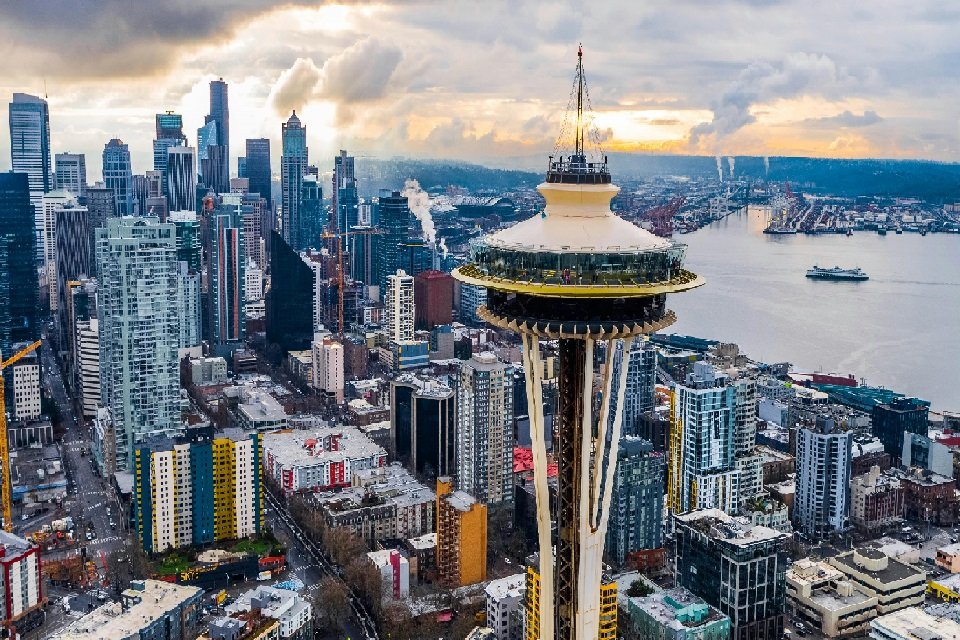
Air pollution in Seattle is largely attributed to traffic congestion and industrial activities. Vehicle emissions, in particular, contribute significantly to the city's air quality problems. The high volume of cars on the road leads to the release of pollutants such as nitrogen oxides and particulate matter, which can have detrimental effects on respiratory health and overall well-being. Industrial activities, including emissions from factories and power plants, also add to the air pollution burden in the area. To tackle air pollution, Seattle has implemented various measures to reduce emissions and improve air quality. These efforts include promoting public transportation, investing in electric vehicles, and enforcing stricter regulations on industrial emissions. Additionally, the city has been working on expanding green spaces and urban forests to help absorb pollutants and improve air quality. In terms of water pollution, Seattle faces challenges related to stormwater runoff and contamination from various sources. Stormwater runoff, which occurs when rainwater flows over streets and sidewalks, can pick up pollutants such as oil, chemicals, and bacteria before entering water bodies. This pollution poses risks to water quality and aquatic ecosystems in the region. Furthermore, water pollution in Seattle is also attributed to sources such as sewage overflows, agricultural runoff, and industrial discharges. These contaminants can harm aquatic life, degrade water quality, and pose risks to public health. In response, Seattle has been working on improving stormwater management practices, upgrading wastewater treatment facilities, and implementing regulations to reduce pollution from different sources. While efforts are being made to address air and water pollution in Seattle, more work is needed to achieve significant improvements in environmental quality. Collaboration among government agencies, businesses, communities, and individuals is crucial to effectively combat pollution and protect the health and well-being of everyone in the city. By raising awareness, implementing sustainable practices, and advocating for cleaner environments, Seattle can move closer to its goal of being a greener and healthier place for all. Seeking in-depth analysis? The following is a must-read. https://www.cruzar.org Want to learn more? Start with: https://www.tosanfrancisco.com also don't miss more information at https://www.todetroit.com Also Check the following website https://www.abandonar.org Don't miss more information at https://www.culturelle.org Want a deeper understanding? https://www.departements.org Don't miss more information at https://www.regionales.net
Leave a Comment:
SEARCH
Recent News
- Exploring Zurich: A Taste of Latin America in Switzerland
- Zurich, Switzerland is a vibrant city known for its stunning architecture, picturesque landscapes, and diverse culinary scene. While Swiss cuisine certainly holds a special place in the hearts of many locals and visitors, the city also boasts a variety of international dining options, including Latin American food.
- Zurich, Switzerland is a vibrant city known for its picturesque surroundings, high quality of life, and thriving multicultural community. Among the various expatriate communities that call Zurich home, the Latin American community stands out for its rich culture, lively traditions, and strong sense of community bonding.
- Traveling through Latin America is an exciting and enriching experience that many people dream of. With its diverse landscapes, rich cultures, and warm hospitality, Latin America offers endless possibilities for exploration and adventure. And what better way to share these experiences with the world than through YouTube content creation and translation?
- Latin American Cuisine: A YouTube Content Creation and Translation Guide
- YouTube Content Creation and Translation for the Latin American Community
- Latin America is a diverse and vibrant region filled with rich culture, beautiful landscapes, and fascinating history. If you have a passion for travel and want to explore the wonders of Latin America from the comfort of your own home, then you should check out the YouTube channel "Latin American Travel." This channel is a treasure trove of videos that showcase the best that Latin America has to offer.
- Latin American cuisine is known for its bold flavors, vibrant colors, and rich culinary traditions. From spicy Mexican dishes to savory Colombian empanadas, the diverse cuisines of Latin America are a true reflection of the region's cultural heritage. If you're a food lover looking to explore the world of Latin American food, there are plenty of YouTube channels dedicated to showcasing the best recipes and cooking techniques from this vibrant culinary landscape.
READ MORE
10 months ago Category :

Exploring Zurich: A Taste of Latin America in Switzerland
Read More →10 months ago Category :

Zurich, Switzerland is a vibrant city known for its stunning architecture, picturesque landscapes, and diverse culinary scene. While Swiss cuisine certainly holds a special place in the hearts of many locals and visitors, the city also boasts a variety of international dining options, including Latin American food.
Read More →10 months ago Category :

Zurich, Switzerland is a vibrant city known for its picturesque surroundings, high quality of life, and thriving multicultural community. Among the various expatriate communities that call Zurich home, the Latin American community stands out for its rich culture, lively traditions, and strong sense of community bonding.
Read More →10 months ago Category :
