Navigating Misinformation: The Role of Critical Thinking Skills in Understanding Seattle and Algeria
Category : | Sub Category : Posted on 2024-11-05 22:25:23
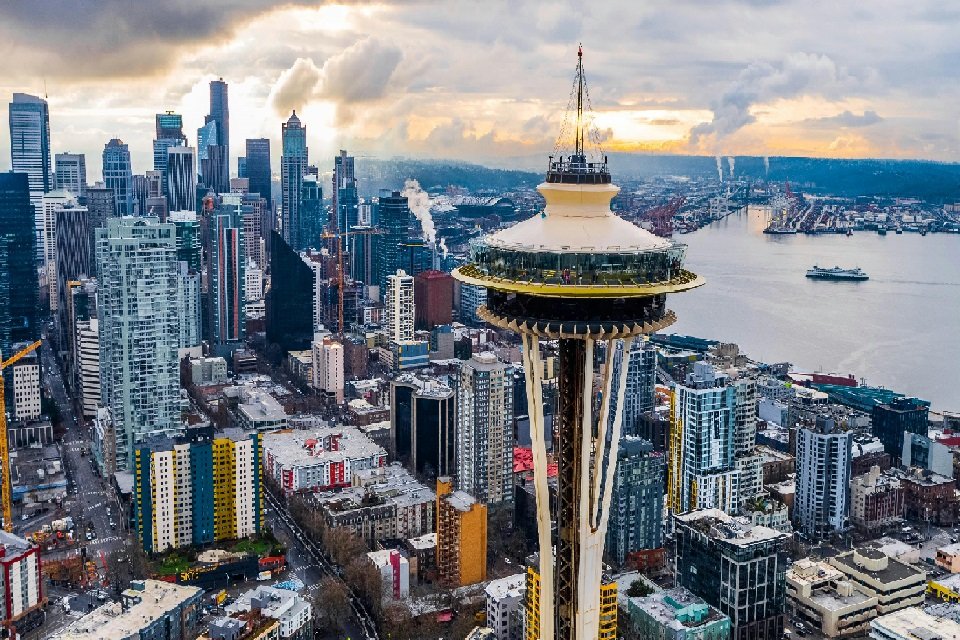
In today's digital age, misinformation runs rampant, affecting societies worldwide on a range of topics. One such area where misinformation can have a significant impact is in understanding cities like Seattle in the United States and countries like Algeria in North Africa. By honing our critical thinking skills, we can better discern fact from fiction and navigate the sea of misinformation that pervades online spaces. Seattle, known for its tech industry, vibrant cultural scene, and picturesque surroundings, is often a subject of fascination for many. However, with the rise of fake news and misleading narratives, it can be challenging to separate truth from falsehood when researching or discussing this city. Similarly, Algeria, a diverse and historically rich country, can be the target of misinformation that distorts its image and misrepresents its people and culture. Critical thinking skills play a crucial role in combating misinformation about Seattle, Algeria, and beyond. By developing our ability to think critically, we can analyze information more effectively, evaluate sources for credibility, and consider multiple perspectives before forming opinions or sharing information. In the context of Seattle and Algeria, critical thinking can help us debunk false claims, uncover hidden biases, and gain a more accurate understanding of these places. When exploring topics related to Seattle or Algeria, here are some tips to apply critical thinking skills: 1. Verify the Source: Check the credibility of the sources providing information about Seattle or Algeria. Are they reputable sources with a track record of accuracy and integrity? 2. Cross-Reference Information: Compare information from multiple sources to identify patterns and inconsistencies. Do different sources corroborate the same facts, or are there discrepancies that raise red flags? 3. Consider the Context: Think about the context in which information about Seattle or Algeria is presented. Are there underlying motives or agendas that may influence how the information is portrayed? 4. Look for Evidence: Seek out evidence to support claims made about Seattle or Algeria. Is there data, research, or firsthand accounts that back up the information being shared? 5. Stay Open-Minded: Approach information about Seattle and Algeria with a critical but open-minded perspective. Be willing to reconsider your beliefs based on new evidence or insights. By sharpening our critical thinking skills, we can become more discerning consumers of information about Seattle, Algeria, and any other topic that piques our interest. In a world where misinformation abounds, critical thinking is a powerful tool for navigating the complexities of our digital age and fostering a more informed and engaged society. In conclusion, the interplay between Seattle, Algeria, misinformation, and critical thinking skills highlights the importance of being vigilant in our quest for truth and understanding. By leveraging critical thinking skills, we can sift through the noise of misinformation, uncover the realities of these places, and cultivate a more nuanced perspective that enriches our knowledge and insights. Let us embrace the challenge of combating misinformation with critical thinking as our guiding light.
https://tosanfrancisco.com
https://toseattle.com
https://todetroit.com
Leave a Comment:
SEARCH
Recent News
- Exploring Zurich: A Taste of Latin America in Switzerland
- Zurich, Switzerland is a vibrant city known for its stunning architecture, picturesque landscapes, and diverse culinary scene. While Swiss cuisine certainly holds a special place in the hearts of many locals and visitors, the city also boasts a variety of international dining options, including Latin American food.
- Zurich, Switzerland is a vibrant city known for its picturesque surroundings, high quality of life, and thriving multicultural community. Among the various expatriate communities that call Zurich home, the Latin American community stands out for its rich culture, lively traditions, and strong sense of community bonding.
- Traveling through Latin America is an exciting and enriching experience that many people dream of. With its diverse landscapes, rich cultures, and warm hospitality, Latin America offers endless possibilities for exploration and adventure. And what better way to share these experiences with the world than through YouTube content creation and translation?
- Latin American Cuisine: A YouTube Content Creation and Translation Guide
- YouTube Content Creation and Translation for the Latin American Community
- Latin America is a diverse and vibrant region filled with rich culture, beautiful landscapes, and fascinating history. If you have a passion for travel and want to explore the wonders of Latin America from the comfort of your own home, then you should check out the YouTube channel "Latin American Travel." This channel is a treasure trove of videos that showcase the best that Latin America has to offer.
- Latin American cuisine is known for its bold flavors, vibrant colors, and rich culinary traditions. From spicy Mexican dishes to savory Colombian empanadas, the diverse cuisines of Latin America are a true reflection of the region's cultural heritage. If you're a food lover looking to explore the world of Latin American food, there are plenty of YouTube channels dedicated to showcasing the best recipes and cooking techniques from this vibrant culinary landscape.
READ MORE
9 months ago Category :

Exploring Zurich: A Taste of Latin America in Switzerland
Read More →9 months ago Category :

Zurich, Switzerland is a vibrant city known for its stunning architecture, picturesque landscapes, and diverse culinary scene. While Swiss cuisine certainly holds a special place in the hearts of many locals and visitors, the city also boasts a variety of international dining options, including Latin American food.
Read More →9 months ago Category :

Zurich, Switzerland is a vibrant city known for its picturesque surroundings, high quality of life, and thriving multicultural community. Among the various expatriate communities that call Zurich home, the Latin American community stands out for its rich culture, lively traditions, and strong sense of community bonding.
Read More →9 months ago Category :
