Navigating Legal Compliance for Seattle Businesses in the Blockchain Industry
Category : | Sub Category : Posted on 2024-11-05 22:25:23
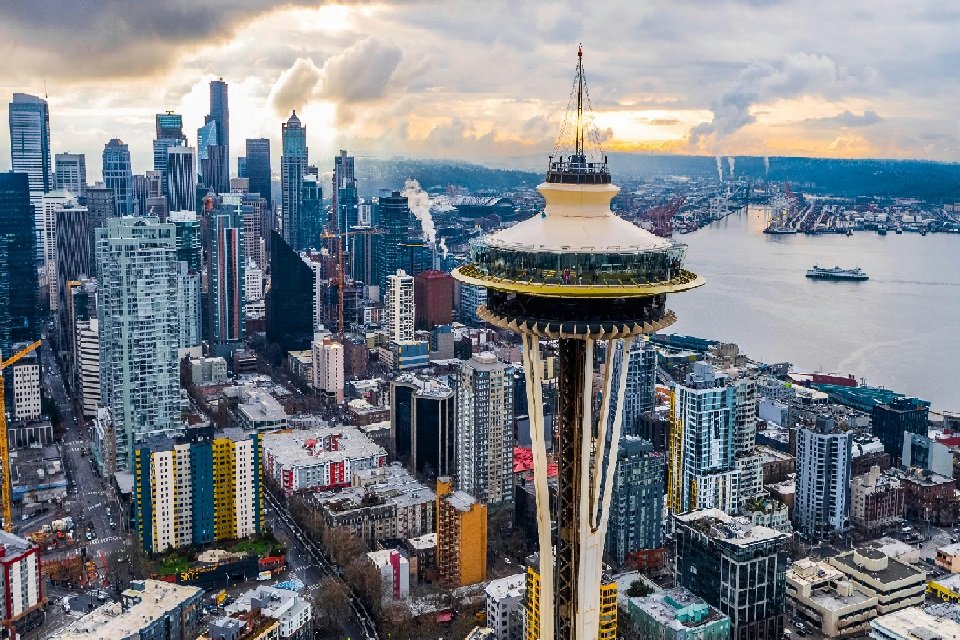
As Seattle continues to solidify its position as a hub for blockchain technology and innovation, businesses operating in this sector must ensure they comply with relevant legal requirements. Understanding and adhering to regulations is essential not only to avoid penalties but also to build trust with customers and investors, and foster a sustainable business environment. 1. Regulatory Landscape in Seattle: Seattle businesses operating in the blockchain industry must navigate a complex regulatory landscape that encompasses federal, state, and potentially local laws. Depending on the nature of the business and the type of blockchain technology being utilized, compliance requirements may vary. It is crucial for businesses to stay informed about regulations related to data privacy, intellectual property, securities laws, and anti-money laundering (AML) regulations. 2. Data Privacy and Security: Given the decentralized and immutable nature of blockchain technology, businesses must pay particular attention to data privacy and security regulations. In Seattle, businesses must comply with the Washington State data breach notification law, which requires companies to inform affected individuals in the event of a data breach. Implementing robust data protection measures and encryption protocols is crucial to safeguard sensitive user information. 3. Intellectual Property Protection: Intellectual property (IP) protection is vital for businesses in the blockchain industry to safeguard their innovations and competitive advantage. Seattle businesses should consider obtaining patents for unique blockchain solutions or software algorithms. Additionally, businesses must be cautious not to infringe on existing patents or copyrights when developing and deploying blockchain applications. 4. Compliance with Securities Laws: As blockchain technology continues to disrupt traditional financial systems, businesses must ensure compliance with securities laws to avoid legal consequences. The Securities and Exchange Commission (SEC) closely monitors Initial Coin Offerings (ICOs) and token sales to prevent fraud and protect investors. Seattle businesses involved in ICOs must carefully structure their offerings to comply with securities regulations. 5. Anti-Money Laundering (AML) Regulations: Seattle businesses operating in the blockchain industry are subject to AML regulations aimed at preventing money laundering and terrorist financing. Implementing Know Your Customer (KYC) and Anti-Money Laundering (AML) procedures is essential for businesses that exchange cryptocurrencies or facilitate transactions on blockchain networks. Compliance with AML regulations helps businesses build credibility and trust with financial institutions and regulators. In conclusion, Seattle businesses in the blockchain industry must prioritize legal compliance to thrive in a constantly evolving regulatory environment. By staying informed about relevant laws and regulations, implementing robust compliance frameworks, and seeking legal guidance when needed, businesses can navigate the complexities of the legal landscape and establish a solid foundation for growth and success in the blockchain industry. If you are enthusiast, check the following link https://www.robtube.com
https://tosanfrancisco.com
https://toseattle.com
https://todetroit.com
https://castigo.org
https://continuar.org
https://vollmacht.org
Leave a Comment:
SEARCH
Recent News
- Exploring Zurich: A Taste of Latin America in Switzerland
- Zurich, Switzerland is a vibrant city known for its stunning architecture, picturesque landscapes, and diverse culinary scene. While Swiss cuisine certainly holds a special place in the hearts of many locals and visitors, the city also boasts a variety of international dining options, including Latin American food.
- Zurich, Switzerland is a vibrant city known for its picturesque surroundings, high quality of life, and thriving multicultural community. Among the various expatriate communities that call Zurich home, the Latin American community stands out for its rich culture, lively traditions, and strong sense of community bonding.
- Traveling through Latin America is an exciting and enriching experience that many people dream of. With its diverse landscapes, rich cultures, and warm hospitality, Latin America offers endless possibilities for exploration and adventure. And what better way to share these experiences with the world than through YouTube content creation and translation?
- Latin American Cuisine: A YouTube Content Creation and Translation Guide
- YouTube Content Creation and Translation for the Latin American Community
- Latin America is a diverse and vibrant region filled with rich culture, beautiful landscapes, and fascinating history. If you have a passion for travel and want to explore the wonders of Latin America from the comfort of your own home, then you should check out the YouTube channel "Latin American Travel." This channel is a treasure trove of videos that showcase the best that Latin America has to offer.
- Latin American cuisine is known for its bold flavors, vibrant colors, and rich culinary traditions. From spicy Mexican dishes to savory Colombian empanadas, the diverse cuisines of Latin America are a true reflection of the region's cultural heritage. If you're a food lover looking to explore the world of Latin American food, there are plenty of YouTube channels dedicated to showcasing the best recipes and cooking techniques from this vibrant culinary landscape.
READ MORE
9 months ago Category :

Exploring Zurich: A Taste of Latin America in Switzerland
Read More →9 months ago Category :

Zurich, Switzerland is a vibrant city known for its stunning architecture, picturesque landscapes, and diverse culinary scene. While Swiss cuisine certainly holds a special place in the hearts of many locals and visitors, the city also boasts a variety of international dining options, including Latin American food.
Read More →9 months ago Category :

Zurich, Switzerland is a vibrant city known for its picturesque surroundings, high quality of life, and thriving multicultural community. Among the various expatriate communities that call Zurich home, the Latin American community stands out for its rich culture, lively traditions, and strong sense of community bonding.
Read More →9 months ago Category :
