Navigating Legal Compliance in Seattle: Lighting Business Edition
Category : | Sub Category : Posted on 2024-11-05 22:25:23
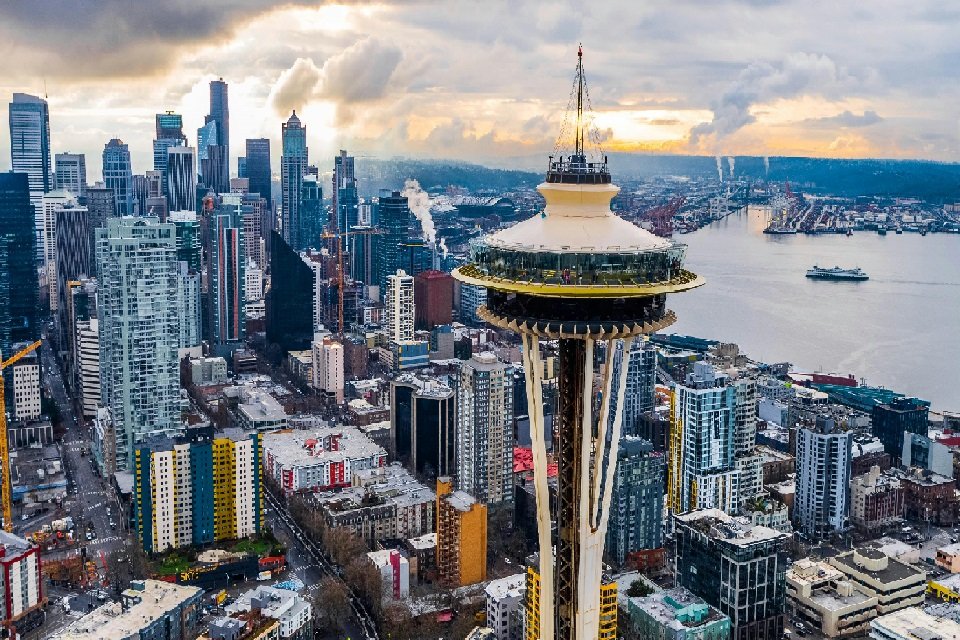
In the bustling city of Seattle, businesses are not only striving to shine bright in the competitive market but also ensuring that they comply with the city's regulations, including those related to lighting. Legal compliance in the realm of lighting is crucial for businesses, not only to avoid fines and penalties but also to contribute to sustainability and energy efficiency efforts. Let's explore some key aspects of lighting legal compliance for businesses in Seattle. 1. Energy Codes and Regulations: Seattle, known for its commitment to sustainability, has stringent energy codes and regulations in place to promote energy efficiency in buildings. These codes often include requirements for lighting systems, such as the use of energy-efficient fixtures and the implementation of lighting controls. Businesses must ensure that their lighting systems meet these standards to comply with the city's regulations. 2. light Pollution Regulations: Light pollution is a growing concern in urban areas like Seattle, as excessive artificial lighting can disrupt ecosystems and affect human health. To combat light pollution, the city has regulations in place that restrict light trespass, glare, and skyglow. Businesses need to be mindful of these regulations when designing their lighting systems to minimize their impact on the environment and neighboring properties. 3. ADA Compliance: The Americans with Disabilities Act (ADA) sets forth requirements for businesses to ensure accessibility for individuals with disabilities. This includes considerations for lighting, such as providing adequate illumination in public spaces and using non-glare lighting to accommodate individuals with visual impairments. Businesses must adhere to these guidelines to ensure compliance with the ADA. 4. Building Codes and Permits: When installing or upgrading lighting systems in commercial buildings, businesses must comply with Seattle's building codes and obtain the necessary permits. These codes often dictate requirements for lighting design, circuitry, and installation to ensure safety and functionality. Failure to obtain the required permits can lead to legal repercussions and delays in business operations. 5. Environmental Impact: In addition to legal compliance, businesses in Seattle are increasingly focused on reducing their environmental impact, including their lighting practices. LED lighting, daylight harvesting, and lighting controls are some of the sustainable lighting solutions that businesses can adopt to lower energy consumption and carbon emissions. By aligning with sustainable lighting practices, businesses can not only meet legal requirements but also demonstrate their commitment to environmental stewardship. In conclusion, navigating legal compliance in the realm of lighting is essential for businesses operating in Seattle. By staying informed about energy codes, light pollution regulations, ADA requirements, building codes, and environmental impact considerations, businesses can ensure that their lighting practices align with the city's standards. Embracing energy-efficient and sustainable lighting solutions not only keeps businesses in compliance with the law but also positions them as responsible corporate citizens in the vibrant city of Seattle.
https://tosanfrancisco.com
https://toseattle.com
https://todetroit.com
https://castigo.org
https://continuar.org
https://vollmacht.org
Leave a Comment:
SEARCH
Recent News
- Exploring Zurich: A Taste of Latin America in Switzerland
- Zurich, Switzerland is a vibrant city known for its stunning architecture, picturesque landscapes, and diverse culinary scene. While Swiss cuisine certainly holds a special place in the hearts of many locals and visitors, the city also boasts a variety of international dining options, including Latin American food.
- Zurich, Switzerland is a vibrant city known for its picturesque surroundings, high quality of life, and thriving multicultural community. Among the various expatriate communities that call Zurich home, the Latin American community stands out for its rich culture, lively traditions, and strong sense of community bonding.
- Traveling through Latin America is an exciting and enriching experience that many people dream of. With its diverse landscapes, rich cultures, and warm hospitality, Latin America offers endless possibilities for exploration and adventure. And what better way to share these experiences with the world than through YouTube content creation and translation?
- Latin American Cuisine: A YouTube Content Creation and Translation Guide
- YouTube Content Creation and Translation for the Latin American Community
- Latin America is a diverse and vibrant region filled with rich culture, beautiful landscapes, and fascinating history. If you have a passion for travel and want to explore the wonders of Latin America from the comfort of your own home, then you should check out the YouTube channel "Latin American Travel." This channel is a treasure trove of videos that showcase the best that Latin America has to offer.
- Latin American cuisine is known for its bold flavors, vibrant colors, and rich culinary traditions. From spicy Mexican dishes to savory Colombian empanadas, the diverse cuisines of Latin America are a true reflection of the region's cultural heritage. If you're a food lover looking to explore the world of Latin American food, there are plenty of YouTube channels dedicated to showcasing the best recipes and cooking techniques from this vibrant culinary landscape.
READ MORE
9 months ago Category :

Exploring Zurich: A Taste of Latin America in Switzerland
Read More →9 months ago Category :

Zurich, Switzerland is a vibrant city known for its stunning architecture, picturesque landscapes, and diverse culinary scene. While Swiss cuisine certainly holds a special place in the hearts of many locals and visitors, the city also boasts a variety of international dining options, including Latin American food.
Read More →9 months ago Category :

Zurich, Switzerland is a vibrant city known for its picturesque surroundings, high quality of life, and thriving multicultural community. Among the various expatriate communities that call Zurich home, the Latin American community stands out for its rich culture, lively traditions, and strong sense of community bonding.
Read More →9 months ago Category :
