Seattle Cameras Contradictions: Navigating Privacy and Surveillance in the Emerald City
Category : | Sub Category : Posted on 2024-11-05 22:25:23
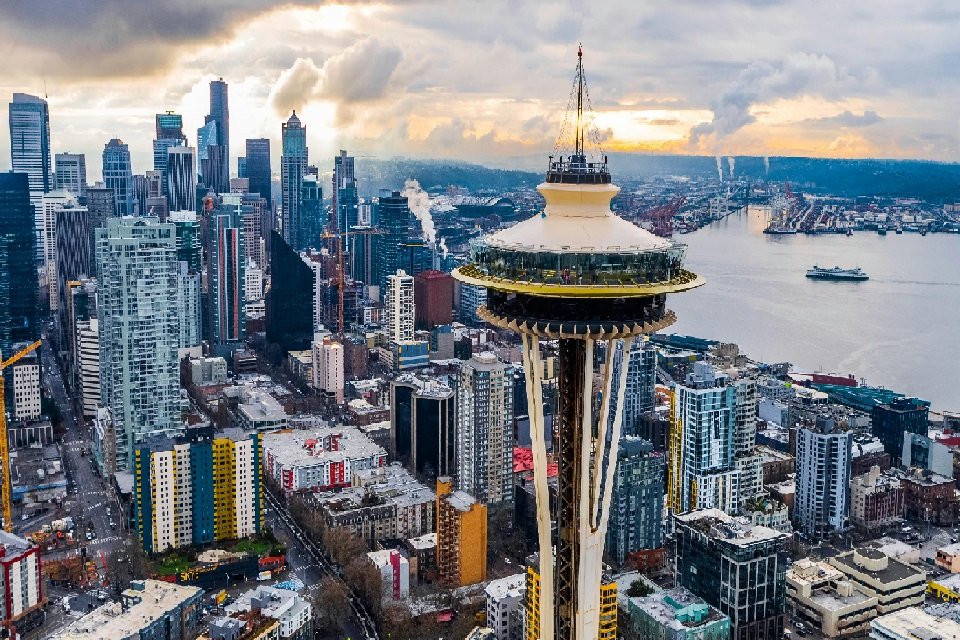
Seattle, known for its stunning natural beauty, thriving tech scene, and vibrant cultural tapestry, is also a city that grapples with contradictions when it comes to surveillance and privacy. With a network of cameras scattered across the city, both public and private, Seattleites find themselves at the intersection of security and civil liberties. On one hand, surveillance cameras play a crucial role in enhancing public safety and deterring crime. The Seattle Police Department (SPD) utilizes a network of cameras strategically placed in high-crime areas, transit hubs, and other locations to monitor activity and respond to incidents quickly. These cameras have helped law enforcement solve crimes, locate missing persons, and provide critical evidence in investigations. In the wake of the COVID-19 pandemic, cameras have also been used to monitor social distancing compliance and crowd control in public spaces. However, the proliferation of surveillance cameras in Seattle raises concerns about privacy and civil liberties. Critics argue that the pervasive presence of cameras infringes on individuals' rights to privacy and erodes trust between law enforcement and the community. The potential for misuse, data breaches, and unauthorized access to surveillance footage further fuels apprehensions about the lack of transparency and accountability in surveillance practices. Moreover, the debate around facial recognition technology adds another layer of complexity to the Seattle cameras contradictions. While some see facial recognition as a powerful tool for identifying suspects and enhancing security, others warn of its inherent biases, inaccuracies, and risks of mass surveillance. In response to public outcry, Seattle City Council passed an ordinance in 2020 that banned city departments, including the SPD, from using facial recognition technology. As Seattle continues to navigate the complexities of surveillance and privacy, finding a balance between security and civil liberties remains a pressing challenge. Initiatives such as community oversight, privacy impact assessments, and clear policies on camera usage can help safeguard individual rights while maintaining public safety. By engaging in constructive dialogues and seeking accountability in surveillance practices, Seattle can strive to uphold its values of justice, equity, and respect for all residents in the digital age. In conclusion, the Seattle cameras contradictions underscore the need for thoughtful considerations, robust regulations, and community input to address the challenges posed by surveillance technologies. As the city evolves and innovates, it must prioritize safeguarding privacy rights, fostering transparency, and building trust to create a more inclusive and secure environment for all who call Seattle home.
https://tosanfrancisco.com
https://toseattle.com
https://todetroit.com
Leave a Comment:
SEARCH
Recent News
- Exploring Zurich: A Taste of Latin America in Switzerland
- Zurich, Switzerland is a vibrant city known for its stunning architecture, picturesque landscapes, and diverse culinary scene. While Swiss cuisine certainly holds a special place in the hearts of many locals and visitors, the city also boasts a variety of international dining options, including Latin American food.
- Zurich, Switzerland is a vibrant city known for its picturesque surroundings, high quality of life, and thriving multicultural community. Among the various expatriate communities that call Zurich home, the Latin American community stands out for its rich culture, lively traditions, and strong sense of community bonding.
- Traveling through Latin America is an exciting and enriching experience that many people dream of. With its diverse landscapes, rich cultures, and warm hospitality, Latin America offers endless possibilities for exploration and adventure. And what better way to share these experiences with the world than through YouTube content creation and translation?
- Latin American Cuisine: A YouTube Content Creation and Translation Guide
- YouTube Content Creation and Translation for the Latin American Community
- Latin America is a diverse and vibrant region filled with rich culture, beautiful landscapes, and fascinating history. If you have a passion for travel and want to explore the wonders of Latin America from the comfort of your own home, then you should check out the YouTube channel "Latin American Travel." This channel is a treasure trove of videos that showcase the best that Latin America has to offer.
- Latin American cuisine is known for its bold flavors, vibrant colors, and rich culinary traditions. From spicy Mexican dishes to savory Colombian empanadas, the diverse cuisines of Latin America are a true reflection of the region's cultural heritage. If you're a food lover looking to explore the world of Latin American food, there are plenty of YouTube channels dedicated to showcasing the best recipes and cooking techniques from this vibrant culinary landscape.
READ MORE
11 months ago Category :

Exploring Zurich: A Taste of Latin America in Switzerland
Read More →11 months ago Category :

Zurich, Switzerland is a vibrant city known for its stunning architecture, picturesque landscapes, and diverse culinary scene. While Swiss cuisine certainly holds a special place in the hearts of many locals and visitors, the city also boasts a variety of international dining options, including Latin American food.
Read More →11 months ago Category :

Zurich, Switzerland is a vibrant city known for its picturesque surroundings, high quality of life, and thriving multicultural community. Among the various expatriate communities that call Zurich home, the Latin American community stands out for its rich culture, lively traditions, and strong sense of community bonding.
Read More →11 months ago Category :
