Seattle Chances and Probability Maps: Navigating Your Way through the Emerald City
Category : | Sub Category : Posted on 2024-11-05 22:25:23
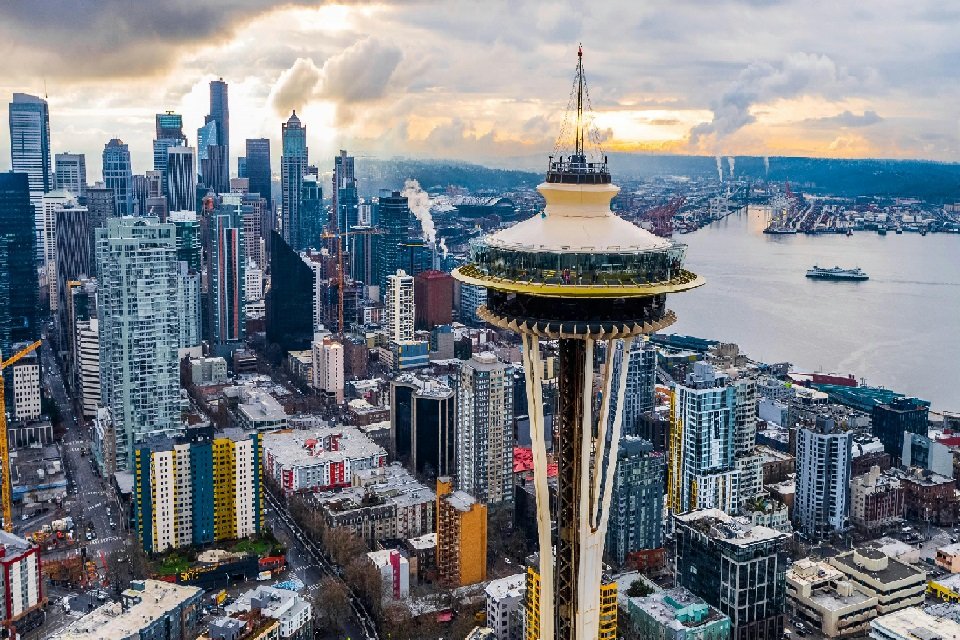
Seattle, often referred to as the Emerald City, is known for its stunning natural beauty, thriving tech industry, and vibrant culture. Navigating the city can sometimes feel like exploring a maze, with its winding streets and diverse neighborhoods. To help both residents and visitors better understand the city and make informed decisions, chances and probability maps have become valuable tools. Chances and probability maps provide visual representations of data to illustrate the likelihood or probability of certain events or situations occurring in specific areas. In the case of Seattle, these maps can offer insights into various aspects of the city, such as crime rates, housing prices, traffic congestion, and even weather patterns. One common use of chances and probability maps in Seattle is to analyze crime data. By mapping out the locations where crimes have occurred and using statistical analysis, law enforcement agencies and city officials can identify high-crime areas and allocate resources more effectively to improve public safety. Residents can also use these maps to make informed decisions about where to live or travel within the city. Another important application of chances and probability maps in Seattle is in urban planning and development. By mapping out factors such as population density, transportation infrastructure, and zoning regulations, city planners can assess the probability of certain development projects succeeding in specific areas. This information can help guide decisions on where to build new housing developments, businesses, or public amenities. Moreover, chances and probability maps can also be used to analyze transportation patterns and traffic flow in Seattle. By mapping out traffic volume, accident hotspots, and public transportation routes, city officials can identify areas in need of improvement and implement targeted solutions to reduce congestion and improve overall mobility for residents and visitors. Additionally, chances and probability maps can be instrumental in understanding weather patterns and climate-related risks in Seattle. By mapping out areas prone to flooding, landslides, or other natural disasters, city planners and emergency responders can develop mitigation strategies and evacuation plans to enhance community resilience. In conclusion, chances and probability maps are invaluable tools for navigating the complex landscape of Seattle. By providing visual representations of data and insights into various aspects of the city, these maps empower residents, city officials, and businesses to make informed decisions and improve the overall quality of life in the Emerald City. Whether you are looking for a safe neighborhood to live in, planning a new development project, or trying to avoid rush hour traffic, chances and probability maps can help guide you on your journey through Seattle.
https://tosanfrancisco.com
https://toseattle.com
https://todetroit.com
Leave a Comment:
SEARCH
Recent News
- Exploring Zurich: A Taste of Latin America in Switzerland
- Zurich, Switzerland is a vibrant city known for its stunning architecture, picturesque landscapes, and diverse culinary scene. While Swiss cuisine certainly holds a special place in the hearts of many locals and visitors, the city also boasts a variety of international dining options, including Latin American food.
- Zurich, Switzerland is a vibrant city known for its picturesque surroundings, high quality of life, and thriving multicultural community. Among the various expatriate communities that call Zurich home, the Latin American community stands out for its rich culture, lively traditions, and strong sense of community bonding.
- Traveling through Latin America is an exciting and enriching experience that many people dream of. With its diverse landscapes, rich cultures, and warm hospitality, Latin America offers endless possibilities for exploration and adventure. And what better way to share these experiences with the world than through YouTube content creation and translation?
- Latin American Cuisine: A YouTube Content Creation and Translation Guide
- YouTube Content Creation and Translation for the Latin American Community
- Latin America is a diverse and vibrant region filled with rich culture, beautiful landscapes, and fascinating history. If you have a passion for travel and want to explore the wonders of Latin America from the comfort of your own home, then you should check out the YouTube channel "Latin American Travel." This channel is a treasure trove of videos that showcase the best that Latin America has to offer.
- Latin American cuisine is known for its bold flavors, vibrant colors, and rich culinary traditions. From spicy Mexican dishes to savory Colombian empanadas, the diverse cuisines of Latin America are a true reflection of the region's cultural heritage. If you're a food lover looking to explore the world of Latin American food, there are plenty of YouTube channels dedicated to showcasing the best recipes and cooking techniques from this vibrant culinary landscape.
READ MORE
11 months ago Category :

Exploring Zurich: A Taste of Latin America in Switzerland
Read More →11 months ago Category :

Zurich, Switzerland is a vibrant city known for its stunning architecture, picturesque landscapes, and diverse culinary scene. While Swiss cuisine certainly holds a special place in the hearts of many locals and visitors, the city also boasts a variety of international dining options, including Latin American food.
Read More →11 months ago Category :

Zurich, Switzerland is a vibrant city known for its picturesque surroundings, high quality of life, and thriving multicultural community. Among the various expatriate communities that call Zurich home, the Latin American community stands out for its rich culture, lively traditions, and strong sense of community bonding.
Read More →11 months ago Category :
