Seattle: Navigating the Contradictions of Access Control
Category : | Sub Category : Posted on 2024-11-05 22:25:23
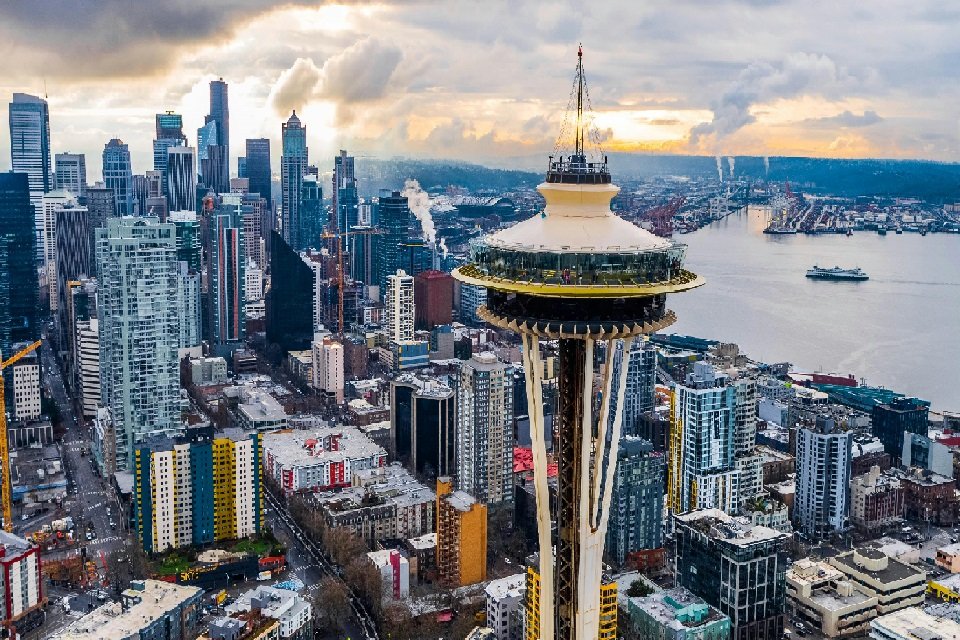
Seattle, the vibrant Pacific Northwest city known for its stunning views, diverse culture, and booming tech industry, is not immune to the contradictions inherent in access control. As a city that prides itself on progressive values and inclusivity, Seattle faces complex challenges when it comes to managing access to resources, services, and opportunities. One of the most visible contradictions in Seattle's access control is the stark wealth disparity that exists within the city. On one hand, Seattle boasts some of the highest average salaries in the country, fueled by the presence of tech giants like Amazon and Microsoft. However, this prosperity is not evenly distributed, with a growing homeless population and increasing income inequality creating barriers to accessing affordable housing, healthcare, and education. Another contradiction in Seattle's access control can be seen in its public transportation system. While the city has made significant investments in expanding and improving public transit options, such as the light rail system and bus rapid transit corridors, there are still challenges in ensuring equitable access for all residents. Issues like rising fares, limited service in certain neighborhoods, and accessibility barriers for people with disabilities highlight the ongoing struggle to provide inclusive and affordable transportation options for everyone. In the realm of education, Seattle grapples with access control in its public school system. While the city is home to prestigious universities like the University of Washington, disparities in K-12 education quality persist along socioeconomic and racial lines. Students from marginalized communities often face barriers to accessing high-quality education resources and opportunities, perpetuating existing inequities and limiting their future prospects. Despite these contradictions, Seattle is also a city that actively works towards addressing access control challenges through community-oriented initiatives and policy interventions. Programs like the Seattle Public Library's outreach services for homeless patrons, efforts to increase affordable housing stock through zoning changes, and advocacy for a more equitable public education system demonstrate the city's commitment to creating a more inclusive and accessible environment for all residents. In conclusion, Seattle's contradictions in access control reflect the complex interplay of social, economic, and political factors that shape urban life. By acknowledging and grappling with these challenges, the city can continue to move towards a more equitable and just society where opportunities are more equally distributed and barriers to access are dismantled.
https://tosanfrancisco.com
https://toseattle.com
https://todetroit.com
Leave a Comment:
SEARCH
Recent News
- Exploring Zurich: A Taste of Latin America in Switzerland
- Zurich, Switzerland is a vibrant city known for its stunning architecture, picturesque landscapes, and diverse culinary scene. While Swiss cuisine certainly holds a special place in the hearts of many locals and visitors, the city also boasts a variety of international dining options, including Latin American food.
- Zurich, Switzerland is a vibrant city known for its picturesque surroundings, high quality of life, and thriving multicultural community. Among the various expatriate communities that call Zurich home, the Latin American community stands out for its rich culture, lively traditions, and strong sense of community bonding.
- Traveling through Latin America is an exciting and enriching experience that many people dream of. With its diverse landscapes, rich cultures, and warm hospitality, Latin America offers endless possibilities for exploration and adventure. And what better way to share these experiences with the world than through YouTube content creation and translation?
- Latin American Cuisine: A YouTube Content Creation and Translation Guide
- YouTube Content Creation and Translation for the Latin American Community
- Latin America is a diverse and vibrant region filled with rich culture, beautiful landscapes, and fascinating history. If you have a passion for travel and want to explore the wonders of Latin America from the comfort of your own home, then you should check out the YouTube channel "Latin American Travel." This channel is a treasure trove of videos that showcase the best that Latin America has to offer.
- Latin American cuisine is known for its bold flavors, vibrant colors, and rich culinary traditions. From spicy Mexican dishes to savory Colombian empanadas, the diverse cuisines of Latin America are a true reflection of the region's cultural heritage. If you're a food lover looking to explore the world of Latin American food, there are plenty of YouTube channels dedicated to showcasing the best recipes and cooking techniques from this vibrant culinary landscape.
READ MORE
10 months ago Category :

Exploring Zurich: A Taste of Latin America in Switzerland
Read More →10 months ago Category :

Zurich, Switzerland is a vibrant city known for its stunning architecture, picturesque landscapes, and diverse culinary scene. While Swiss cuisine certainly holds a special place in the hearts of many locals and visitors, the city also boasts a variety of international dining options, including Latin American food.
Read More →10 months ago Category :

Zurich, Switzerland is a vibrant city known for its picturesque surroundings, high quality of life, and thriving multicultural community. Among the various expatriate communities that call Zurich home, the Latin American community stands out for its rich culture, lively traditions, and strong sense of community bonding.
Read More →10 months ago Category :
