Seattle DIY Drone Access Control: Enhancing Security and Efficiency
Category : | Sub Category : Posted on 2024-11-05 22:25:23
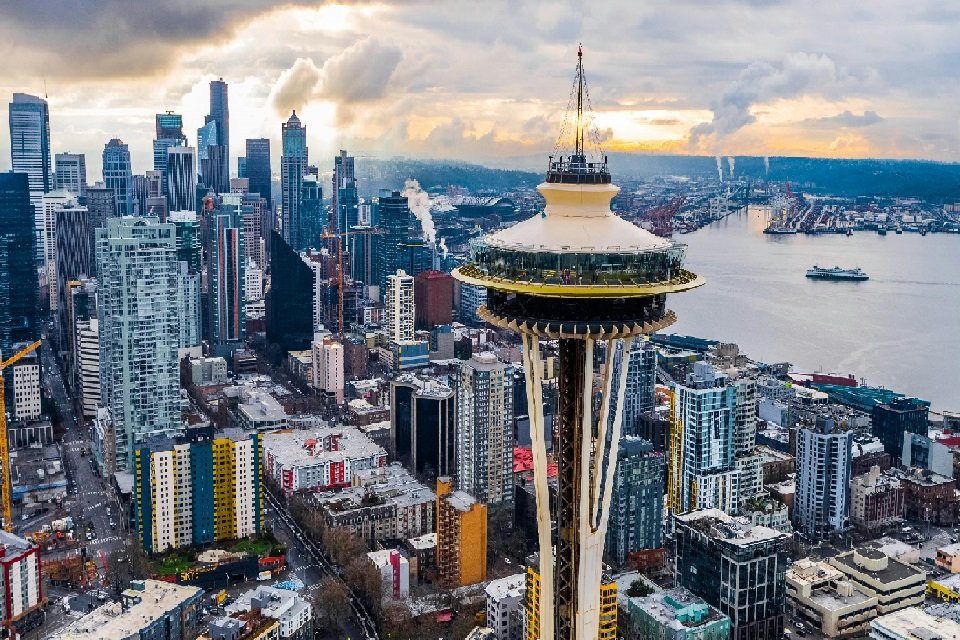
drones have become increasingly popular in a wide range of applications, from aerial photography and surveying to package delivery and search and rescue missions. As the use of drones continues to grow, so does the need for proper access control to ensure safety, security, and efficiency. In Seattle, DIY drone enthusiasts are taking their passion to new heights by implementing access control measures to regulate the use of drones in various settings. Access control for drones involves the restriction and monitoring of drone flights in specific areas to prevent unauthorized access and ensure compliance with regulations. In Seattle, DIY drone operators are using a variety of techniques and technologies to establish access control, such as geofencing, remote identification, and flight planning tools. Geofencing is a popular access control method that uses GPS or radio frequency identification (RFID) to create virtual boundaries around restricted areas. DIY drone enthusiasts in Seattle are leveraging geofencing technology to set up no-fly zones around sensitive locations, such as airports, government buildings, and public events. By programming their drones to automatically avoid these restricted areas, operators can prevent potential safety hazards and unauthorized access. Remote identification is another crucial aspect of access control for drones. DIY drone operators in Seattle are implementing remote identification technologies, such as broadcast modules or electronic license plates, to enable authorities to identify and track drones in real-time. By broadcasting key information, such as the drone operator's identity and flight details, drones can be easily monitored and managed to ensure compliance with regulations. Flight planning tools are also vital for DIY drone access control in Seattle. These tools enable operators to create and log flight plans, including waypoints, altitudes, and durations, to ensure safe and efficient drone operations. By documenting their flight intentions and sharing them with relevant authorities, operators can enhance communication, coordination, and accountability in the airspace. In conclusion, DIY drone access control is essential for enhancing security and efficiency in Seattle's airspace. By leveraging geofencing, remote identification, and flight planning tools, DIY drone enthusiasts can regulate drone flights, prevent unauthorized access, and promote responsible drone usage. As the drone industry continues to evolve, implementing robust access control measures will be crucial to ensure safe and sustainable drone operations in Seattle and beyond. Take a deep dive into this topic by checking: https://www.svop.org For a closer look, don't forget to read https://www.mimidate.com To get all the details, go through https://www.tknl.org
https://tosanfrancisco.com
https://toseattle.com
https://todetroit.com
Leave a Comment:
SEARCH
Recent News
- Exploring Zurich: A Taste of Latin America in Switzerland
- Zurich, Switzerland is a vibrant city known for its stunning architecture, picturesque landscapes, and diverse culinary scene. While Swiss cuisine certainly holds a special place in the hearts of many locals and visitors, the city also boasts a variety of international dining options, including Latin American food.
- Zurich, Switzerland is a vibrant city known for its picturesque surroundings, high quality of life, and thriving multicultural community. Among the various expatriate communities that call Zurich home, the Latin American community stands out for its rich culture, lively traditions, and strong sense of community bonding.
- Traveling through Latin America is an exciting and enriching experience that many people dream of. With its diverse landscapes, rich cultures, and warm hospitality, Latin America offers endless possibilities for exploration and adventure. And what better way to share these experiences with the world than through YouTube content creation and translation?
- Latin American Cuisine: A YouTube Content Creation and Translation Guide
- YouTube Content Creation and Translation for the Latin American Community
- Latin America is a diverse and vibrant region filled with rich culture, beautiful landscapes, and fascinating history. If you have a passion for travel and want to explore the wonders of Latin America from the comfort of your own home, then you should check out the YouTube channel "Latin American Travel." This channel is a treasure trove of videos that showcase the best that Latin America has to offer.
- Latin American cuisine is known for its bold flavors, vibrant colors, and rich culinary traditions. From spicy Mexican dishes to savory Colombian empanadas, the diverse cuisines of Latin America are a true reflection of the region's cultural heritage. If you're a food lover looking to explore the world of Latin American food, there are plenty of YouTube channels dedicated to showcasing the best recipes and cooking techniques from this vibrant culinary landscape.
READ MORE
10 months ago Category :

Exploring Zurich: A Taste of Latin America in Switzerland
Read More →10 months ago Category :

Zurich, Switzerland is a vibrant city known for its stunning architecture, picturesque landscapes, and diverse culinary scene. While Swiss cuisine certainly holds a special place in the hearts of many locals and visitors, the city also boasts a variety of international dining options, including Latin American food.
Read More →10 months ago Category :

Zurich, Switzerland is a vibrant city known for its picturesque surroundings, high quality of life, and thriving multicultural community. Among the various expatriate communities that call Zurich home, the Latin American community stands out for its rich culture, lively traditions, and strong sense of community bonding.
Read More →10 months ago Category :
